

Asbestos is still a concern in U.S. housing. It can remain unnoticed in older building materials for years, then surface during an inspection, renovation, or sale. For homeowners, that can quickly raise questions about disclosure and what happens next.
Federal law does not generally require home sellers to disclose asbestos, though state or local rules may require it based on where the property is located and what you know about its condition.
The presence of asbestos also does not automatically prevent a sale or mean it must be removed before closing.
This guide explains how asbestos disclosure works and what you should know before selling a house that may contain it.
Quick Look at What Your Asbestos Situation Means
| Situation | What It Means for You |
| You know asbestos is present | Check the disclosure rules that apply in your state and locality before completing the sale |
| You suspect asbestos but have not tested | Appearance alone cannot confirm that a material contains asbestos |
| You have no knowledge of asbestos | No general federal rule requires asbestos testing simply because you are selling your house |
| The asbestos is intact and undisturbed | Removal is not automatically required just because you plan to sell |
| A buyer or inspector raises a concern | Professional testing or further evaluation may become part of the transaction |
| You plan to sell the property as-is | An as-is sale does not automatically remove any disclosure duties that apply under state or local law |
| The buyer is using a mortgage | Known asbestos may lead to added appraisal, inspection, or lender review |
Federal Law Does Not Generally Require Sellers to Disclose Asbestos
Federal law does not generally require you to disclose asbestos when selling a house. The U.S. Environmental Protection Agency’s asbestos disclosure guidance makes the federal position clear: sellers are not required under federal law to tell a buyer that a home contains asbestos or vermiculite.
Asbestos is sometimes confused with lead-based paint, which follows a different federal disclosure rule.
Under the EPA’s Lead-Based Paint Disclosure Rule, sellers of most homes built before 1978 must provide buyers with known information about lead-based paint and related hazards before a sales contract is signed.
Buyers must also receive available records and an opportunity to conduct a lead inspection or risk assessment.
There is no equivalent federal home-sale disclosure rule for asbestos. This is why the location of your property matters. Your state or local laws may create disclosure duties that federal law does not.
State and Local Laws Can Require Asbestos Disclosure
Federal law is only part of the disclosure question. What you need to report when selling your home can depend on the laws where the property is located.
Some disclosure requirements may address asbestos directly, while others use broader categories such as hazardous materials, environmental hazards, or known property defects.
The National Association of Realtors’ Consumer Guide to Seller Disclosures notes that disclosure practices and requirements vary by state and local law.
It also warns that knowingly withholding information that you were required to disclose can carry legal consequences.
For that reason, review the disclosure form and rules that apply to your property rather than relying on a single nationwide standard.
Any legal consequences can depend on what you knew, what you told the buyer, the terms of the purchase agreement, and the law governing the transaction.
What Counts as Known or Suspected Asbestos When Selling?
What you know about asbestos matters when preparing to sell.
A test, report, or professional finding is different from simply suspecting that an older material may contain it.
You Have a Previous Asbestos Test or Inspection
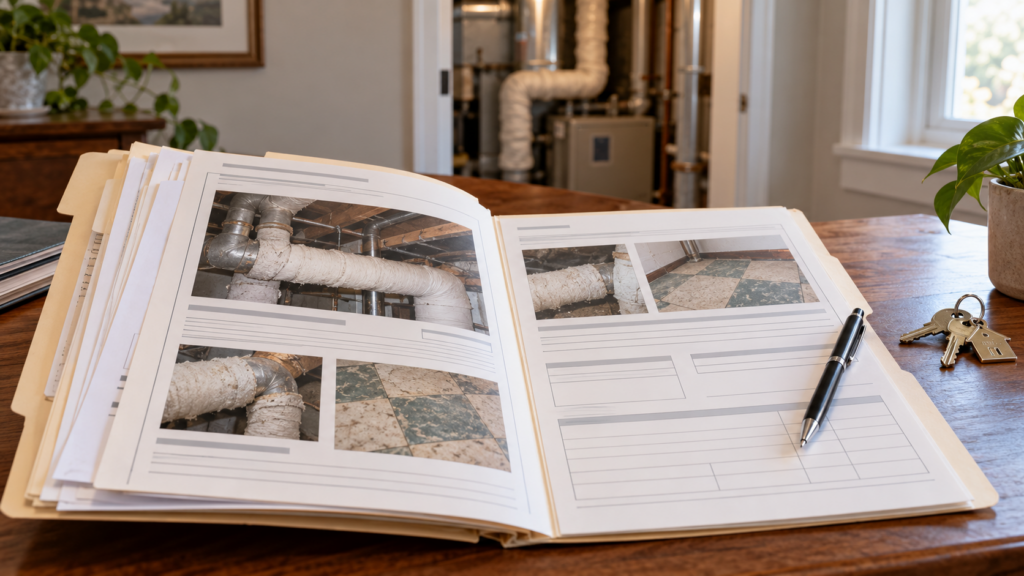
A previous lab result, asbestos inspection, abatement report, renovation record, or document from an earlier purchase gives you more than a suspicion.
It gives you documented information about the property.
Keep those records available when preparing your seller disclosure. Their legal significance depends on the disclosure rules that apply where the home is located.
A Contractor or Qualified Professional Identified Asbestos
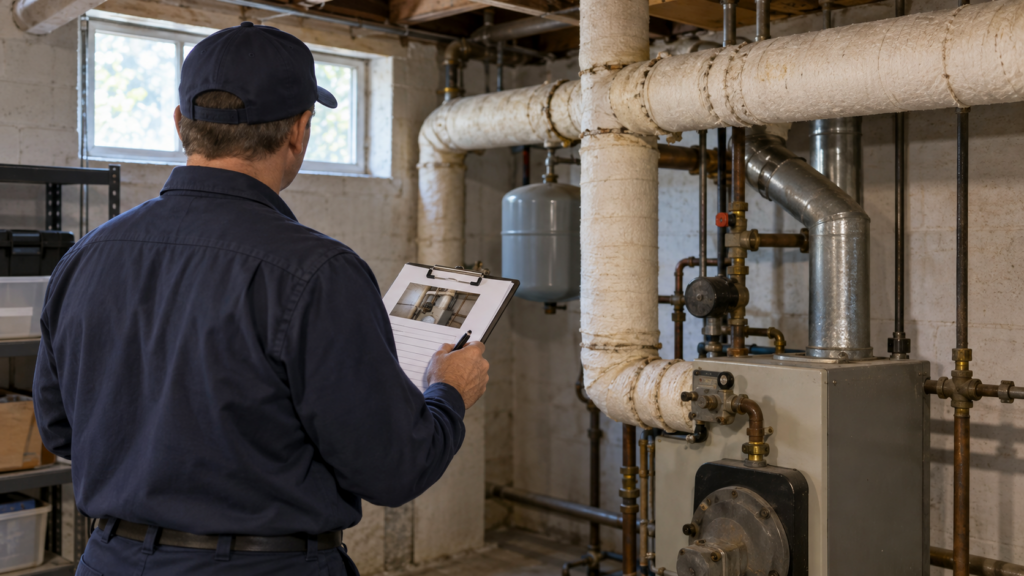
A finding from a qualified professional carries more weight than a homeowner simply thinking an older material may contain asbestos.
Keep any written report, test result, or inspection record you receive.
That information may need to be considered when you complete your seller disclosure, depending on the law that applies where the property is located.
You Only Suspect a Material Contains Asbestos
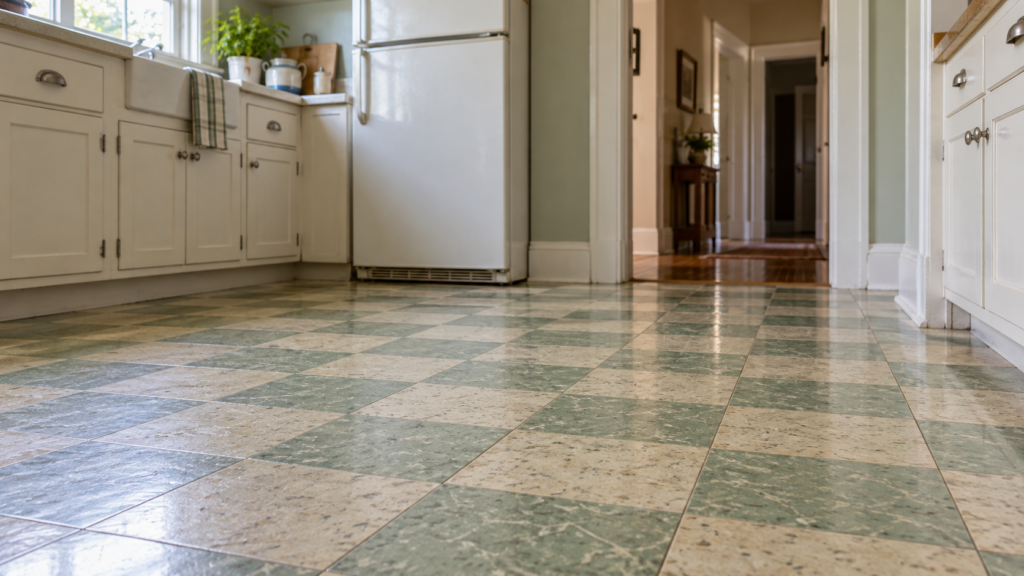
An older floor tile, pipe wrap, siding panel, or textured ceiling may look suspicious, but appearance alone cannot confirm asbestos.
The EPA’s asbestos identification guidance notes that laboratory testing is needed to know for certain.
For sellers, it helps to separate three situations:
- Known asbestos: You have a test, report, or other documentation showing asbestos is present.
- Suspected asbestos: A material may contain asbestos, but it has not been confirmed.
- Unknown: You have no information showing that asbestos is present.
These are practical distinctions for understanding your situation, not nationwide legal definitions.
| Related Article Can You Sell a House With Bathroom Water Damage |
Do You Have to Test for Asbestos Before Selling Your House?
Selling your house does not mean every older or suspect building material needs to be tested.
The EPA’s current home asbestos guidance says building materials that are not damaged and will not be disturbed do not need asbestos testing. Material in good condition should generally be left alone.
State or local requirements and the circumstances of a particular transaction can still affect what steps you need to take.
When Testing May Make Sense
Testing becomes more relevant when suspect material is damaged, crumbling, or likely to be disturbed during renovation.
EPA recommends testing suspect material when it is damaged or when planned renovation work could disturb it.
The U.S. Consumer Product Safety Commission’s indoor air guidance also advises homeowners to leave undamaged asbestos-containing material alone and use trained professionals when damaged material or planned work could disturb it.
During a home sale, further evaluation may also come up if a buyer, inspector, or another party raises a concern about a particular material. That does not mean every home needs an asbestos test before it can be sold.
Do Not Try to Identify Asbestos by Looking at It
Age, color, texture, and appearance cannot tell you for certain that a material contains asbestos.
The EPA advises treating suspicious material cautiously and relying on laboratory analysis when confirmation is needed.
This is especially important with older flooring, insulation, ceiling materials, siding, and pipe wrap. Looking old is not the same as testing positive for asbestos.
Where Might Asbestos Be Found in a House?
Asbestos may still be present in older building materials, especially in areas that have never been renovated or replaced.
Common examples include:
- Vinyl floor tiles, sheet flooring, and some adhesives
- Ceiling tiles
- Roofing and siding shingles
- Pipe insulation and wrap
- Certain attic and wall insulation
- Textured paint and patching compounds
- Materials around furnaces, boilers, and wood-burning stoves
- Vermiculite insulation
A home’s age can raise the likelihood of older asbestos-containing materials, but age alone does not confirm that asbestos is present.
Do You Have to Remove Asbestos Before Selling a House?
No general federal rule requires you to remove asbestos simply because you plan to sell your house.
What happens next depends more on the condition of the material, any planned work, and the rules that apply to the property.
The U.S. Consumer Product Safety Commission’s asbestos guidance advises leaving asbestos-containing material alone when it is in good condition and unlikely to be disturbed.
Removal becomes more relevant when the material is damaged or planned renovation work could disturb it.
Leaving Asbestos in Place
Asbestos does not always need to be removed. If the material is intact, stable, and unlikely to be disturbed, leaving it in place may be the safer option.
The Agency for Toxic Substances and Disease Registry advises avoiding disturbance of materials that may contain asbestos because fibers can become airborne when those materials are cut, broken, crushed, or disturbed during renovation or demolition.
Repairing or Encapsulating Asbestos
Complete removal is not always the only option. Depending on the material and its condition, a qualified professional may recommend sealing, encapsulating, or enclosing it instead.
These methods leave the asbestos in place while reducing the chance that fibers will be released. The right approach depends on the material, its condition, and the likelihood of future disturbance.
Removing Asbestos
Removal may be appropriate when asbestos-containing material is badly damaged or will be disturbed during renovation. In those cases, leaving it in place may no longer be practical.
Use a qualified asbestos professional for removal. Avoid handling or removing suspected asbestos yourself, since disturbing the material can release fibers into the air.
Short regulatory note
Renovation and demolition rules are separate from seller disclosure requirements. Federal asbestos regulations can apply when certain buildings are renovated or demolished, while many small residential properties fall outside that specific federal framework.
State and local rules may still impose their own requirements, especially when asbestos-containing materials will be disturbed.
Your Options for Selling a House With Asbestos
You can still sell a house that contains asbestos. The right approach depends on the condition of the material, the disclosure rules that apply, and how much work you want to take on before the sale.
Sell After Professional Remediation
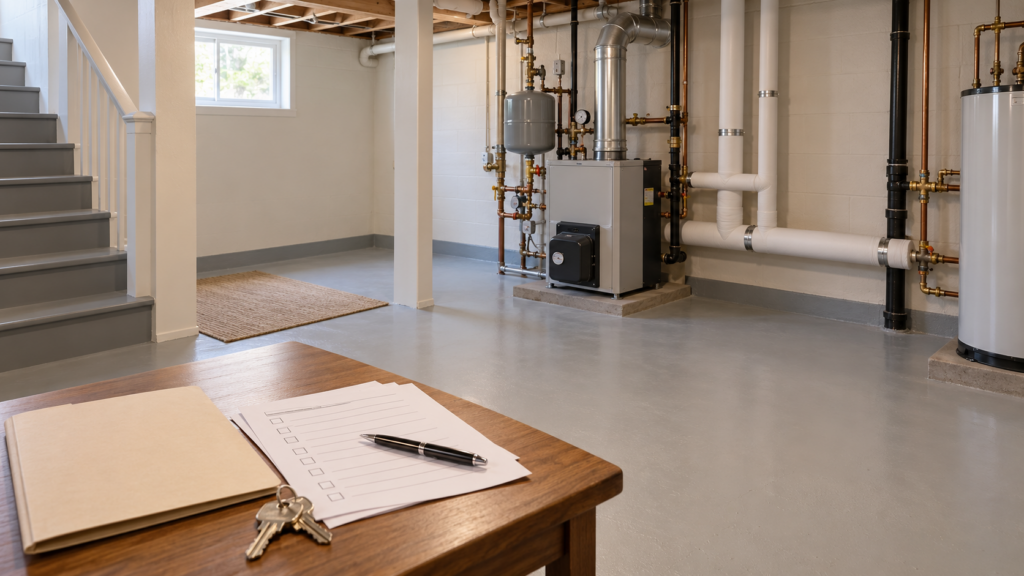
You may choose to address the asbestos before listing the property. Professional remediation can remove a concern for some buyers and may make later negotiations easier.
However, remediation can involve testing, abatement costs, scheduling, containment, and repairs after the affected material is removed. Before taking this route, consider the scope of the work and the likely benefit to the sale.
Disclose the Condition and Negotiate With the Buyer

When disclosure is required, asbestos can become part of the negotiation rather than automatically stopping the sale. The buyer and seller may discuss options such as:
- Leaving the material in place
- Getting a professional evaluation
- Completing remediation
- Adjusting the purchase price
- Offering a repair credit
The Consumer Financial Protection Bureau’s home inspection guidance notes that inspection findings can lead buyers and sellers to negotiate repairs or credits. The exact options available will still depend on the purchase agreement and applicable law.
Sell the House As-Is
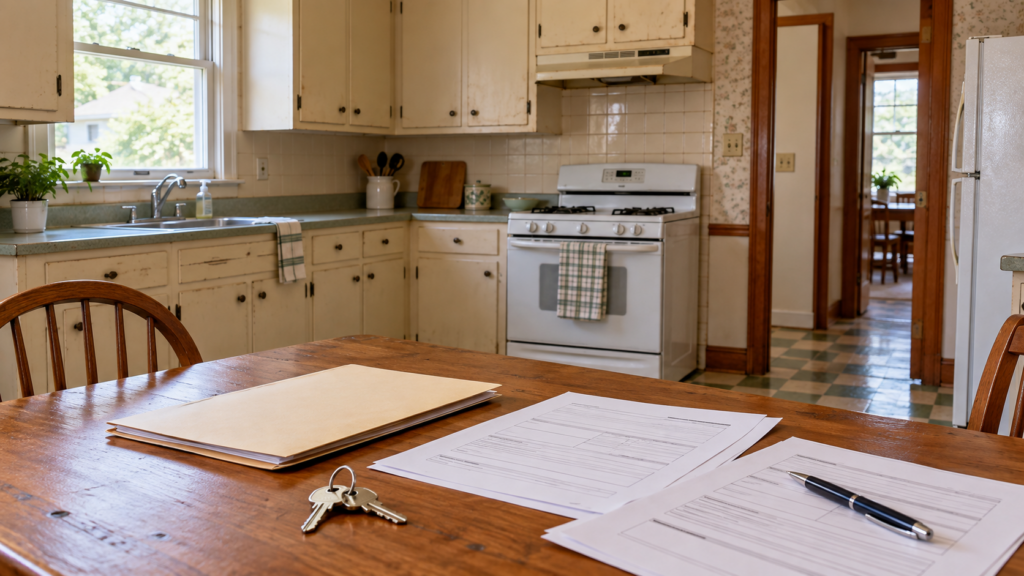
You may also choose to sell the property in its current condition instead of completing asbestos remediation or other major repairs first. This can reduce the time, cost, and coordination involved before the sale.
A direct cash sale can also remove the need to rely on a buyer securing conventional mortgage financing. Still, selling as-is does not automatically remove any disclosure duties that apply. Those obligations depend on state law, local rules, and the terms of the purchase agreement.
Conclusion
Finding asbestos does not automatically stop you from selling your house or mean you must remove it first.
Start by checking what you know about the material, the disclosure rules that apply where you live, and the condition of the asbestos before deciding how to move forward.
Sell Your House Without Taking On Asbestos Repairs
Liberty Fair Offer buys houses as-is across Washington and Idaho, so you can sell without completing asbestos remediation, making major repairs, or preparing the property for a traditional listing.
Request a no-obligation cash offer and compare it with your other selling options.
Contact us today.