
Yes, you can still sell your house after receiving a foreclosure notice if you still own the property and the sale closes before the foreclosure sale is completed. Selling can help you pay off the mortgage, cover other liens tied to the property, and keep any remaining proceeds.
Foreclosure is also becoming a more common concern for U.S. homeowners. ATTOM’s Mid-Year 2026 Foreclosure Market Report recorded 227,548 properties with foreclosure filings in the first half of 2026, up 21% from the same period a year earlier.
Once a notice arrives, timing matters. The next step is to find out what type of notice you received, how much time remains, and which selling options may still be available.
First, Find Out What Foreclosure Notice You Received
Start by checking the exact foreclosure notice you received. Each notice marks a different stage of the process, so the document name and the dates listed can help you see how much time you may have to act.
Notice of Default
A Notice of Default means your mortgage is in default, often because payments have been missed. It marks an early stage of foreclosure, but it does not mean your home has already been sold.
Check the notice carefully for the amount due, response dates, and any deadlines listed. The exact meaning and timing of a Notice of Default can vary by state, so use the dates in your notice to see where the foreclosure process currently stands.
Notice of Trustee Sale or Foreclosure Sale
A Notice of Trustee’s Sale generally means a public sale has been set for your property. At this stage, you have a defined sale date, so selling becomes more time-sensitive.
Check the notice for:
- The exact document name
- Date issued
- Scheduled sale date
- Mortgage servicer or trustee contact details
Use the sale date as your main reference when checking how much time you may have to complete a sale.
How Much Time Do You Have to Sell After a Foreclosure Notice?
There is no single nationwide number of days you have to sell after receiving a foreclosure notice.
The time available varies by the stage of foreclosure and the laws in your state, so the date on your foreclosure or trustee-sale notice matters more than the number of payments you have missed.
Federal Pre-Foreclosure Protection
Under federal mortgage servicing rules, a servicer generally cannot make the first notice or filing required to start foreclosure until your loan is more than 120 days delinquent.
The Consumer Financial Protection Bureau sets this rule under 12 CFR § 1024.41.
The 120-Day Rule Does Not Mean the Foreclosure Sale Happens on Day 121
The 120-day period marks when the legal foreclosure process may generally begin, not when your home will be sold. CFPB guidance explains that once foreclosure starts, the time before an actual sale varies by state.
At this point, focus on the dates tied to your own case:
- Find the scheduled foreclosure or trustee-sale date.
- Do not calculate your deadline only from the number of missed payments.
- Contact your mortgage servicer or trustee to confirm the current foreclosure status.
The earlier you confirm the deadline, the more selling options you are likely to have.
What Should You Do If You Want to Sell Before Foreclosure?
If you plan to sell before foreclosure, start by checking your notice and loan details before choosing how to sell.
The steps below can help you compare the time you have with what you owe and the sale timeline.
1. Review the Foreclosure Notice
Start with the notice you received. Check the exact notice type, the date it was issued, and any foreclosure or trustee-sale date listed.
You should also note the contact information for your mortgage servicer or trustee. These details help you confirm where the foreclosure process stands and which deadline you need to work around.
2. Contact Your Mortgage Servicer
Tell your mortgage servicer that you are considering selling the home and ask them to confirm where the loan and foreclosure process currently stand.
Ask for:
- Your current loan status
- Your current foreclosure status
- An updated payoff amount
- Any upcoming foreclosure deadlines
CFPB guidance advises homeowners who are having trouble making mortgage payments to contact their servicer as soon as possible.
Listing your house does not automatically pause foreclosure, so keep checking the dates tied to your case while the property is being sold.
3. Find Out How Much You Owe
Ask your mortgage servicer for a current payoff amount rather than relying on the balance shown on your latest statement. The CFPB explains that a payoff amount can include more than your remaining principal. It may also include interest due through the payoff date and unpaid fees.
Your payoff may include:
- Remaining principal
- Missed payments
- Accrued interest
- Unpaid fees or other charges
Knowing the full amount you need to pay helps you compare it with your expected sale price and estimate how much equity may remain.
4. Estimate Your Home’s Current Value
Estimate what your home could reasonably sell for in its current condition. Then compare that amount with your mortgage payoff and other debts tied to the property.
If the home is worth more than you owe, you may have positive equity. If you owe more than the expected sale price, you may have negative equity. Knowing this early can help you choose a selling option that fits your financial position.
5. Choose a Selling Route Based on the Time Available
Your foreclosure deadline should guide how you sell. Compare the time you have with your home’s value, equity, condition, and the time each sale method may take.
- Traditional market sale: May suit you if there is enough time to market the home and close with a buyer.
- Direct cash sale: May suit you when the foreclosure date is closer and you need a shorter closing timeline.
- Short sale: May apply if the sale proceeds will not cover what you owe. The CFPB says that your mortgage servicer must agree to a short sale before it can be completed.
Choose the route that gives you a realistic chance of closing before the foreclosure sale date.
What Happens to Your Mortgage and Equity When You Sell?
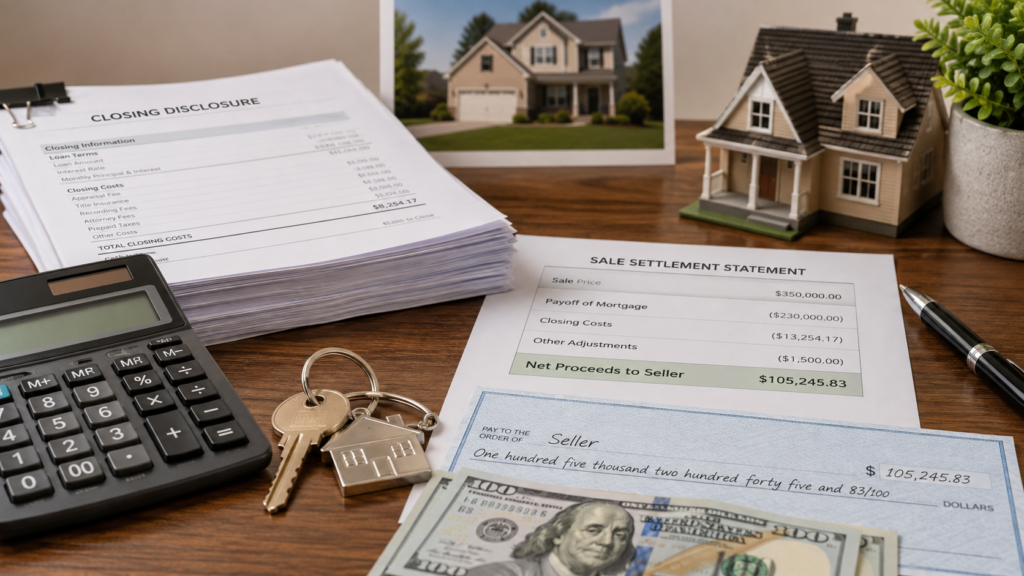
When you sell before foreclosure, the money from the sale is used to pay the debts and costs tied to the property. If your home is worth more than the total amount you owe, you may receive the money left after those amounts are paid.
Freddie Mac explains that homeowners with enough equity may use sale proceeds to pay the remaining mortgage, missed mortgage payments, and other debts secured by the home. Any excess proceeds can then go to the homeowner.
The sale proceeds may go toward:
- Your mortgage payoff
- Other debts or liens secured by the property
- Selling and closing costs
- Any remaining amount paid to you, subject to other valid claims
Here is a simplified example:
| Home Sale Price | $400,000 |
| Mortgage and secured debts | $290,000 |
| Selling and closing costs | $20,000 |
| Estimated remaining proceeds | $90,000 |
Receiving a foreclosure notice does not automatically erase your home equity. Selling before the foreclosure sale may give you a chance to keep the equity left after the required payments are made.
Traditional Sale vs. Cash Sale When Foreclosure Is Approaching

The right sale method depends mainly on how much time you have before the foreclosure sale, your home’s condition, and the amount of equity you may have.
| Selling Option | Typical Situation | Main Consideration |
| Traditional listing | You have enough time to market the home and complete a buyer-financed sale | Financing, appraisal, inspection, and closing can affect timing |
| Direct cash sale | The foreclosure date is closer and a shorter closing timeline is needed | Compare the cash offer with expected proceeds from other sale methods |
| Short sale | The home may sell for less than the mortgage payoff amount | Mortgage servicer approval is required |
A traditional listing may work well if you have enough time and the property is ready for the market. A direct cash sale may fit better when repairs, buyer financing, or a shorter deadline make a longer sale harder.
If you owe more than the home may sell for, a short sale could be another path. The Consumer Financial Protection Bureau explains that your mortgage servicer must agree to accept less than the full mortgage balance before a short sale can move forward.
Choose the sale method that gives you a realistic chance of closing before the foreclosure sale date.
Conclusion
Receiving a foreclosure notice does not always mean you have lost the chance to sell.
Start by checking the notice type, sale date, mortgage payoff, and equity in your home so you know how much time you have to complete a sale.
Sell Your Foreclosure Home Without Repairs or Listing Delays
Liberty Fair Offer buys homes as-is across Washington and Idaho, so you can sell without making repairs, preparing the property for showings, or waiting on a buyer’s mortgage approval.
Request a no-obligation cash offer and compare it with your other selling options.
Contact us today.