

Yes, you can sell a house with squatters in Washington, but the sale becomes more complicated. The issue can affect the buyer pool, price, financing, inspection access, and how the closing is handled.
Traditional buyers often want the property vacant before closing. Cash buyers or investors may be more willing to buy the house as-is with the squatter issue still unresolved but under certain conditions.
This guide explains what sellers need to know, including removal options, disclosure concerns, why many traditional buyers hesitate, and when selling the property as-is may make more sense.
What Counts as a Squatter in Washington?
Washington law does not directly define the word “squatter”.
Instead, the law uses the term “unauthorized person.” In simple terms, this means someone who is staying on residential property without the owner’s permission and without a legal right to be there.
A person may count as an unauthorized occupant when the property owner can truthfully say that the person:
- Does not own the property
- Has no ownership interest in the property
- Is not a current tenant
- Has not been a tenant at the property within the past 12 months
- Entered without the owner’s permission
- Stayed without the owner’s permission
- Was not invited by someone with authority to invite them
- Was asked to leave and refused
This is the type of situation people often describe as “squatting.”
For example, a stranger who moves into a vacant rental home without permission may fit this category. The same may apply to someone who enters an empty house, changes the locks, and refuses to leave even though they never had a lease, rental agreement, or permission from the owner.
Squatter Tenant vs. Non-Tenant Squatter
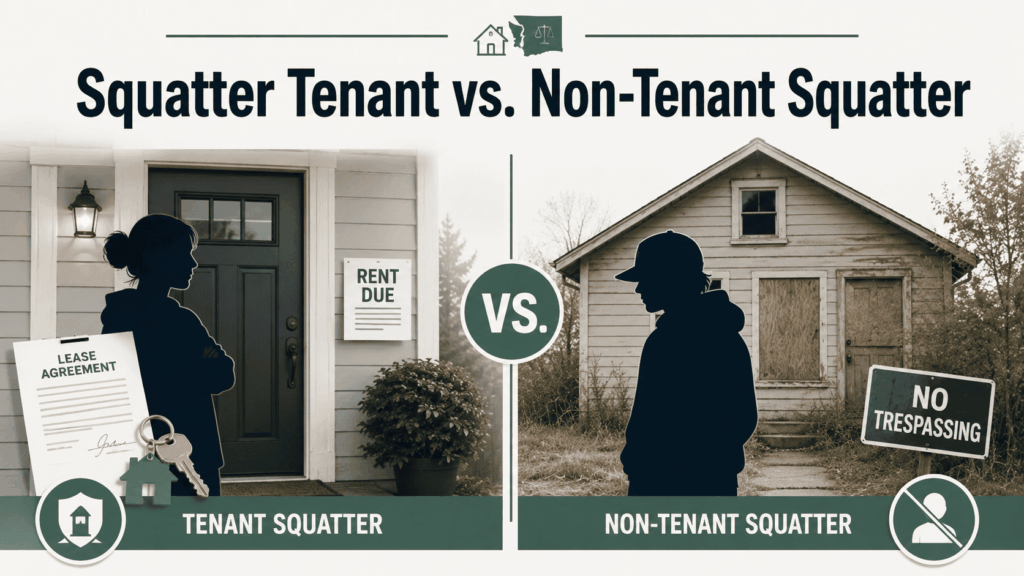
This is the key difference.
A tenant has, or previously had, some legal basis to live at the property. A non-tenant squatter does not.
Washington law treats these situations differently, so the removal process can also be different.
What Is a Non-Tenant Squatter?
A non-tenant squatter is someone who has no lease, no permission, no rental history, and no legal right to occupy the property.
Examples may include:
- someone who enters a vacant home without permission
- someone who moves into an empty rental property without approval
- someone occupying a foreclosed or vacant house without the owner’s consent
- someone who refuses to leave even though they were never allowed to live there
This type of situation may fall under RCW 9A.52.105 if the owner can truthfully make the required declaration.
What Is Squatter Tenant?
In everyday language, people sometimes call a tenant a squatter when the tenant refuses to leave after the lease ends. But legally, that situation is different from a true non-tenant squatter.
This type of person is usually called a holdover tenant.
A holdover tenant is someone who originally had permission to live at the property through a lease or rental arrangement but stayed after that permission expired.
Is Squatter Tenant the Same Under The Law In Washington?
Even if the tenant is behind on rent, damaging the property, or refusing to leave after the lease ends, they are usually not treated the same as a non-tenant squatter.
Because they once had a rental relationship or legal occupancy, they usually must be handled through the proper eviction process led through the court, according to Washington state law regarding Removal or exclusion of tenants from premises ,not the same process used for a non-tenant squatter.
A person may be treated as a tenant if they:
- had a written or oral lease
- paid rent
- were invited to live there
- had an established rental arrangement
- previously lived there as a tenant
- were a tenant at the property within the past 12 months
When It Can Be Difficult Even for a Cash Home Buyer
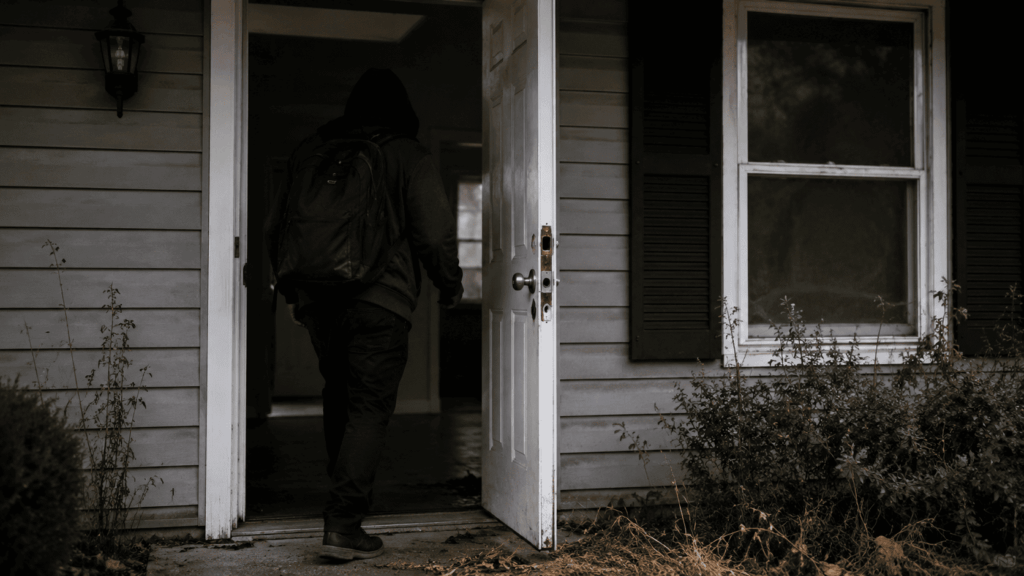
Although Washington makes it difficult for a squatter to claim ownership of a property, certain long-term possession situations can still create legal or title concerns.
If that happens, even a cash home buyer may need legal review before buying the property.
1. The 10-Year Possession Rule — RCW 4.16.020
Washington’s basic adverse possession rule, RCW 4.16.020, gives a property owner ten years to take legal action to recover their real estate. Once someone has openly occupied the property for that long without permission, the original owner’s ability to remove them may be barred — and the occupant may be able to claim ownership through adverse possession.
This doesn’t mean a long-term occupant automatically owns your home. But it does raise serious title questions that need to be cleared up before a sale can close, and even a cash buyer will likely want those issues reviewed before moving forward.
2. The 7-Year Color of Title Rule — RCW 7.28.050
Under RCW 7.28.050, the timeline shortens from ten years to seven when the occupant has what’s called “color of title.” That’s a legal term for a written document — a deed, court judgment, or similar instrument — that appears on its face to give the person legal ownership, even if it later turns out to be defective or invalid.
If a long-term occupant produces any such document, a buyer (or their title company) will likely want to review the paperwork, the chain of ownership, and the recorded title history before deciding whether the sale can proceed safely.
3. The 7-Year Tax Payment Rule — RCW 7.28.070
The risk climbs even higher under RCW 7.28.070, often called Washington’s “color of title plus taxes” adverse possession law. If an occupant holds a color-of-title document and has paid the property taxes on the land in good faith for seven consecutive years, they can claim full ownership in just seven years — three years faster than the standard rule.
This is the strongest adverse possession claim under Washington law, and it’s the scenario most likely to derail a traditional sale. Tax records are public and easy to verify, so if an occupant has been paying the taxes, the claim has documentary support right out of the gate.
| My AdviceA cash buyer can help when the issue is mainly access, condition, cost, or timing. But if the occupant may have a serious legal claim tied to adverse possession, the transaction becomes more complicated for any buyer. |
What Are the Legal Options for Removing Squatters in Washington?
Washington law gives property owners a path to remove true unauthorized occupants, but the process depends on who the person is. A stranger who entered without permission is different from a tenant or former tenant who once had a right to live there.
Option 1: Removal by a Peace Officer
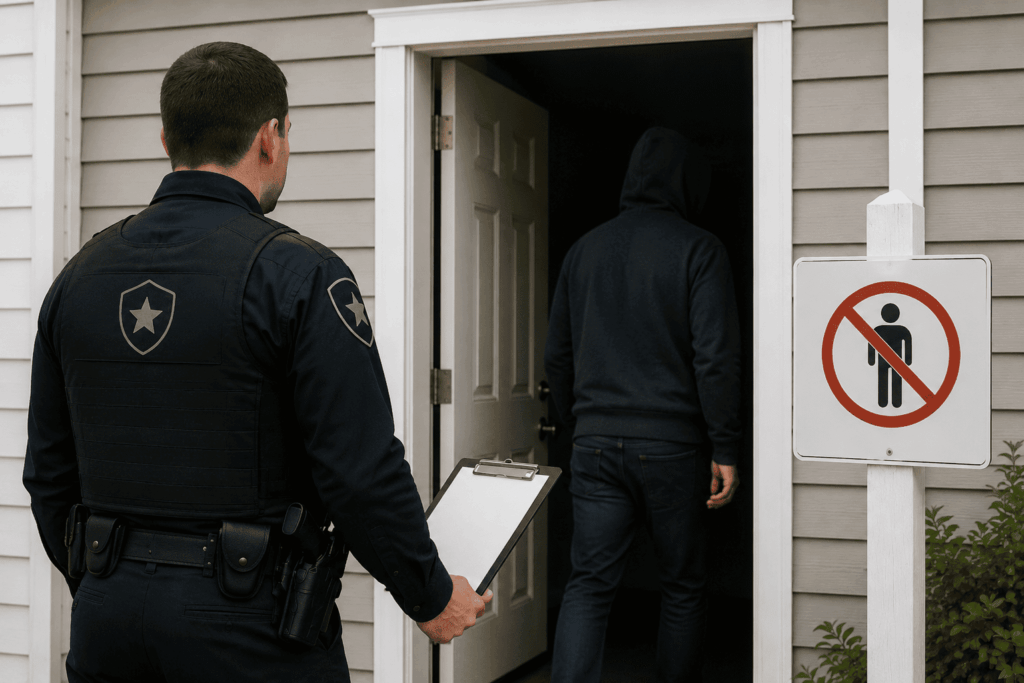
A peace officer means a law enforcement officer, such as a police officer or sheriff’s deputy.
Washington law makes it harder for a true squatter to take control of a property if they have no legal right to be there.
Under RCW 9A.52.105, an owner can ask law enforcement to remove an unauthorized person from residential property in certain cases. The law says a peace officer may remove the person from the premises, with or without arrest.
But the owner must first provide a sworn declaration. That declaration must state that:
- an unauthorized person entered and is remaining unlawfully
- the person was not allowed to enter or stay
- the person is not a tenant
- the person has not been a tenant at the property within the past 12 months
This process is meant for a true unauthorized occupant, not a tenant dispute.
Option 2: Court Process

If the person was your tenant, the situation is different. This includes a tenant whose lease expired but who refuses to leave.
Washington law does not allow a landlord to remove or lock out a tenant without a court order. Under RCW 59.18.290, it is unlawful for a landlord to remove or exclude a tenant from the premises unless a court order allows it.
That means a holdover tenant usually must be handled through the proper eviction process, not the unauthorized-person removal process.
Important Warning: Do Not Use Self-Help Removal
Do not change the locks, shut off utilities, remove belongings, or try to force someone out yourself. If the person is treated as a tenant, that can create legal problems for the owner.
The safest starting point is to identify the person correctly:
| Occupant type | Likely process |
| True unauthorized person | Law enforcement removal may apply under RCW 9A.52.105 |
| Tenant or holdover tenant | Court eviction process usually required |
| Unclear status | Get legal guidance before taking action |
Conclusion
You can sell a house with squatters in Washington, but strategy matters. The right path depends on who is occupying the property, whether they were ever a tenant, how long they have been there, and how much legal or title risk exists.
If the issue is mainly access, damage, delays, or a former tenant refusing to leave, a cash home sale will be appropriate in certain conditions. In traditional sale the buyers want the home vacant before closing.
Sell a House With Squatters in Washington
If you are trying to sell a house with squatters in Washington, Liberty Fair Offer can help you explore an as-is cash sale.
We buy houses in Washington, including properties with occupant issues, damage, repairs, or difficult access. You do not have to handle every repair, cleanup, or removal step before reaching out.
Contact us to discuss your situation and see what selling as-is could look like.